Berkshire’s buybacks need a separate capital-allocation test
Berkshire’s latest results require separate tests for business earnings, share count and the price paid to retire capital.
On November 7, 2026, Berkshire reported third-quarter operating earnings of $12.705 billion, net earnings of $22.112 billion and approximately $9.6 billion of share repurchases. Company release
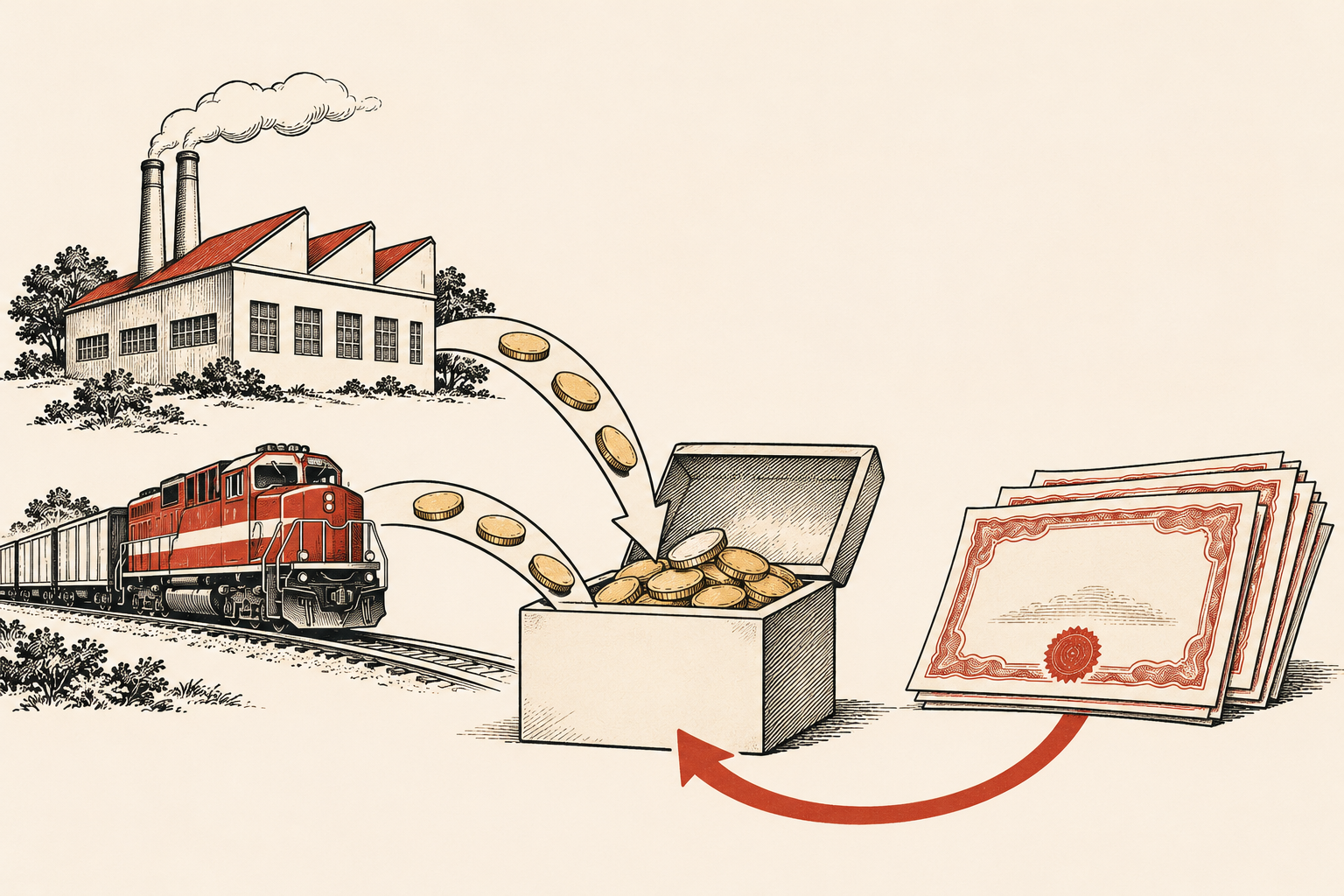
These figures describe different decisions and different measurement systems. Reading them as a single verdict on management obscures the more useful question: does capital returned through buybacks improve the remaining owners’ economic position after accounting for what that cash could otherwise do? The analysis below sets out a framework, not a valuation or trading recommendation.
Two earnings measures, two questions
Operating earnings offer a lens on business performance; GAAP net earnings preserve a broader accounting record. Neither should become a substitute for understanding the other. A market-related gain may be a poor guide to a subsidiary’s customer demand, but the associated asset still belongs to shareholders. Conversely, a smoother earnings measure does not guarantee that the underlying earning power is durable.
The distinction is between identifying recurring activity and declaring excluded items economically irrelevant. Those are not the same exercise. An analyst can use a narrower measure to compare operations while retaining a separate view of investment exposure, financing costs and capital at risk. That avoids the convenient but asymmetric habit of ignoring adverse marks while celebrating favorable ones.
Profit is also not cash available for distribution. The SEC’s financial-statement guide distinguishes earnings from cash generation. Accounting background For this analysis, the practical consequence is to reconcile reported performance with reinvestment requirements and obligations before discussing surplus capital. A business can report profit while needing cash for assets, inventories or future payments.
A smaller denominator is not a better business
Consider a deliberately simplified example, not Berkshire data. A company earns 100 units with 100 shares outstanding. It then spends cash to retire ten shares. If earnings remain 100, earnings per share rise from 1 to roughly 1.11. No customer bought more and no factory became more productive. Each remaining share represents a larger fraction of a company that also owns less cash.
This arithmetic is not an argument against buybacks. It shows why per-share growth alone cannot establish value creation. If the cash formerly earned income, the earnings numerator may fall too. If management pays more than the retired shares are economically worth, a higher ownership percentage does not compensate remaining owners for the excessive payment. Price, opportunity cost and balance-sheet capacity must enter the analysis together.
An authorization is not an external valuation
Berkshire’s policy permits repurchases below conservatively assessed intrinsic value and prohibits purchases that would reduce consolidated cash, cash equivalents and Treasury bills below $30 billion. Quarterly report, repurchase policy
A policy is a decision rule, not independent evidence that a specific transaction was attractively priced. Outside readers cannot reproduce management’s valuation simply from the fact that cash was deployed. Nor should a stated liquidity floor be mistaken for a target cash balance: a minimum constraint and a prudent operating buffer serve different purposes.
Two interpretations therefore deserve attention. Buying shares can indicate discipline when external assets offer worse prospective economics. It can also leave unanswered whether retaining cash or investing inside the businesses would produce a better outcome. The transaction alone cannot settle that comparison. Judging it requires assumptions about future cash generation and risks, not just the dollar amount purchased.
What would make the judgment stronger?
Our analytical preference is to track three separate developments over subsequent reports: operating performance before the benefit of a reduced share count; capital remaining after investment and obligations; and the terms on which ownership was retired. These are evaluation questions, not claims that the current release resolves them.
A single quarter is especially vulnerable to timing. Purchases late in a reporting period and purchases early in it do not have the same effect on average shares. Annualizing a quarterly repurchase pace assumes a repeatability that management has not promised. Equally, projecting a single period’s earnings can mistake a temporary level for a sustainable base.
Berkshire’s new disclosure is most useful as the beginning of this comparison. Business results establish the resources being generated; capital allocation determines how those resources are used. Regardless of whether operating earnings grow, a buyback alone does not demonstrate improvement in the business.
Information only. No investment, legal, tax, or financial advice.