Varonis: read the deal through its failure paths
A closing-risk map can explain more than a headline premium.
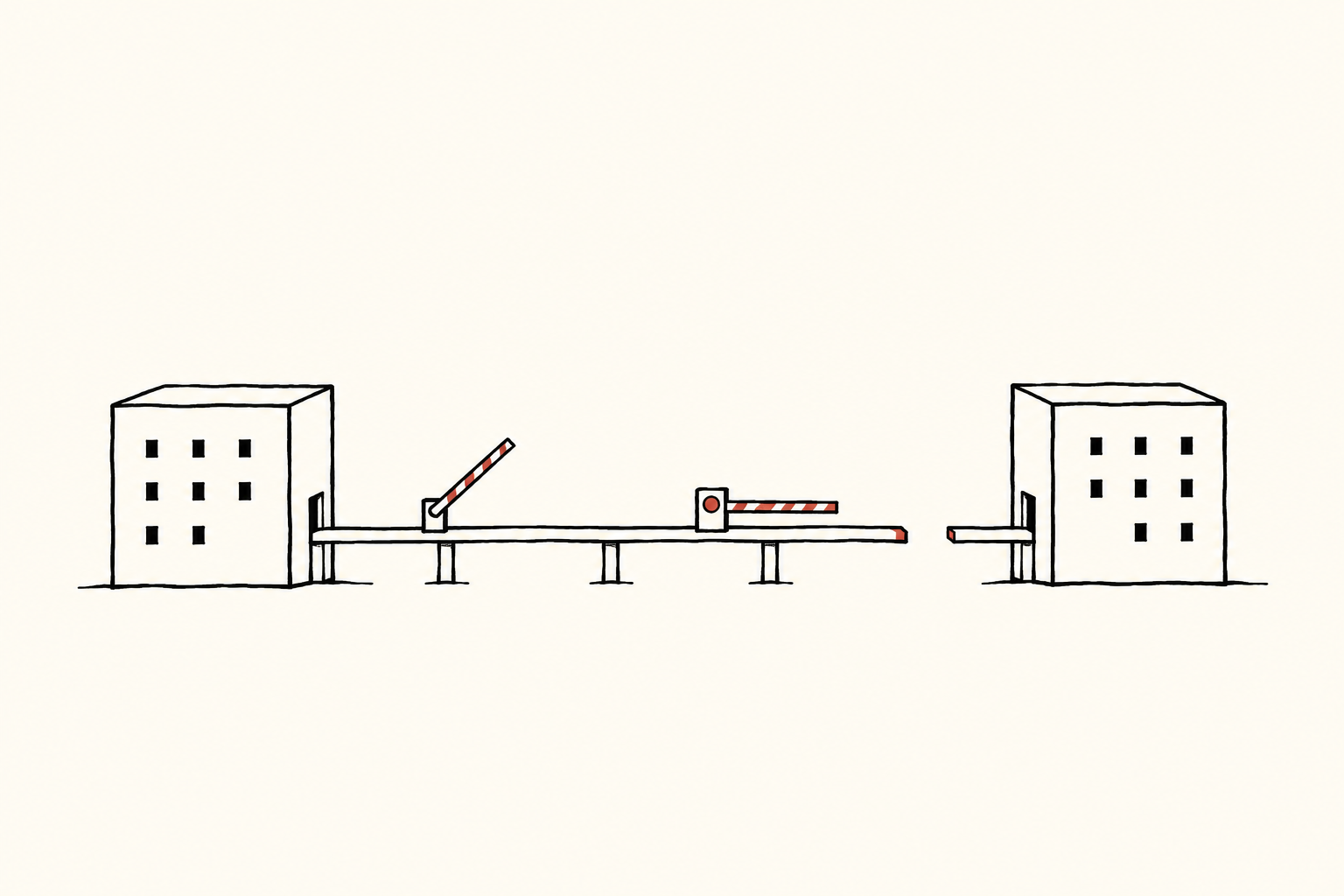
Varonis signed its Proofpoint merger agreement on October 15, 2026. There is no financing condition; reverse termination payments depend on specified circumstances. (Filing; agreement.)
That allocates risk, without guaranteeing completion. The useful editorial question is what evidence would change an assessment of each possible failure path. This article offers a framework, not a valuation or a recommendation to trade the transaction.
Separate a promise from an observation
Imagine two otherwise identical acquisitions. In one, a buyer announces a funding commitment. In the other, money has arrived in the account needed for closing. Those are different observations even if both press releases sound confident. A useful monitoring sheet records the document, what it establishes, and what it leaves unresolved. A commitment should not silently become a cash balance in the reader's mental model.
The same discipline applies to remedies. The existence of a payment provision is one fact. Whether a particular event triggers it, whether the counterparty disputes it, and when money would be received are separate questions. A hypothetical payment after a failed deal cannot simply be treated as cash available today. Nor should a fee be divided by the purchase price and labelled a probability of failure. Contractual incentives and statistical likelihood are different objects.
Build a sequence, not a single countdown
The FTC's process guide explains that additional information requests can extend merger review. This describes a general process, not an announced intervention in this deal.
For analysis, use a dependency map rather than one expected closing date. For every milestone, record who controls it and the evidence needed to mark it complete. A milestone controlled by a company cannot stand in for one controlled by an external decision-maker. Progress on one branch need not shorten another branch by the same amount.
That distinction matters when delay changes the business being acquired. Consider an explicitly hypothetical software company: procurement decisions stall while ownership is unsettled, but payroll and product work continue. Even with no change in the proposed transaction terms, extra months can alter operating cash generation and management attention. This is a scenario to test against later disclosures, not a claim about Varonis customers or employees.
What would improve the evidence
The next useful update would attach new documents to unresolved dependencies, distinguish an amended obligation from a fulfilled one, and compare the company's operating disclosures over a consistent period. Repeating a strategic rationale would add little to that record.
This framework cannot establish a completion probability, timing forecast or fair share price. It can prevent a narrower error: treating one favourable contractual feature as evidence that every remaining dependency has disappeared.
Information only. No investment, legal, tax, or financial advice.