PayNow Gen2: money received is not yet an order reconciled
Fewer checkout steps matter only if payments match invoices, statuses are reliable and refunds remain linked to the original order.
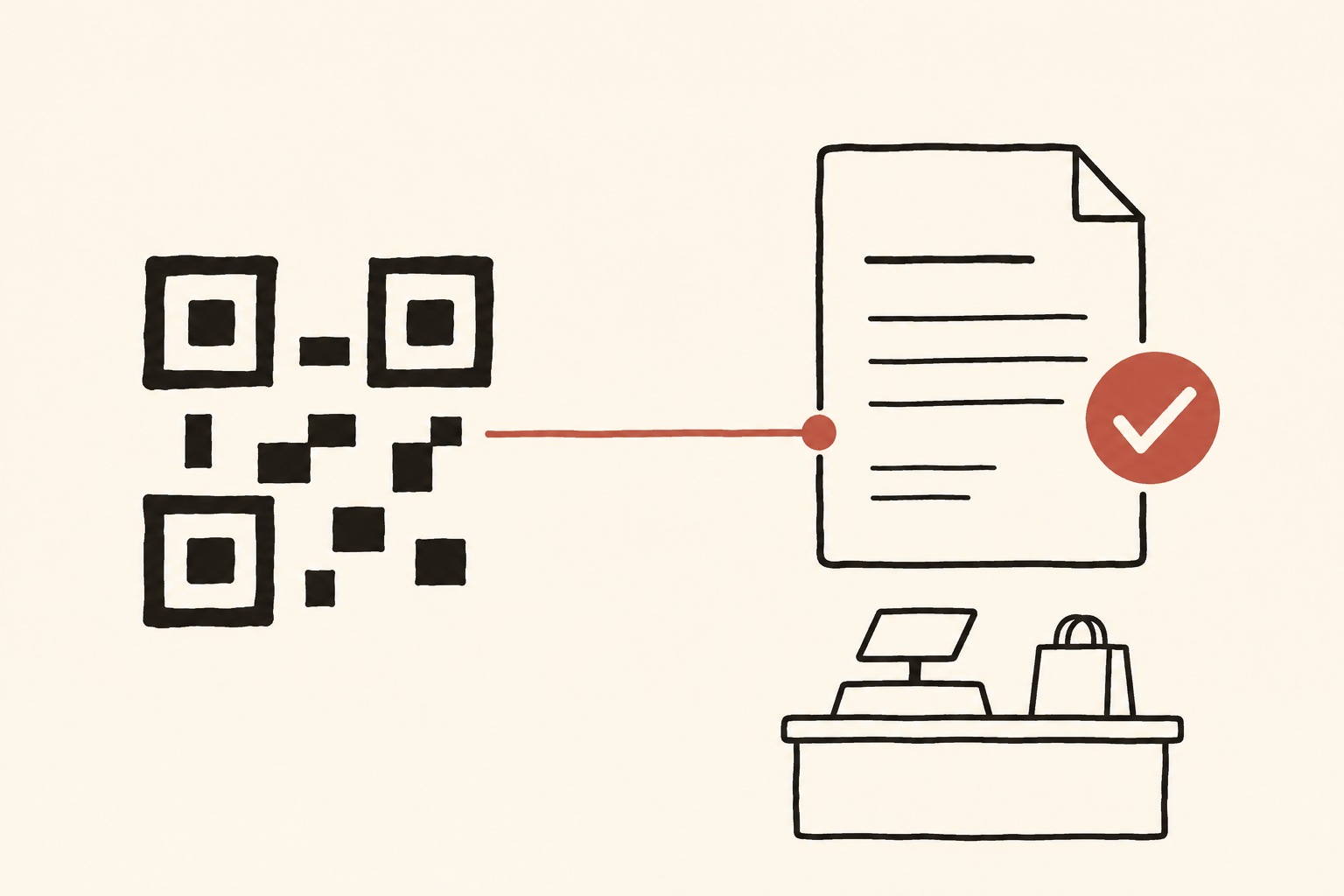
MAS and the Association of Banks in Singapore published the PayNow Gen2 Phase 2 roadmap on November 18. Merchants should connect three parts of it: entering the payment app, matching the payment to an order, and closing the records after a refund or dispute. Official announcement
An easier transfer can remove customer effort. Faster receipt does not automatically mean faster reconciliation. If staff still request screenshots and identify payments manually, the work may simply have moved behind the counter. This is a merchant evaluation framework, not a claim of demonstrated conversion gains.
Separate live services from targets
MAS cites Lazada checkout through OCBC’s app as an existing deep-linking example, not universal bank and merchant coverage. Common standards and a central facility are targeted for end-2027, with connections expanding progressively in 2028. Richer data fields are targeted from end-2027, supporting services from 2028; P2M dispute and refund safeguards are also planned in stages during 2028. Roadmap
These are implementation targets, not delivery guarantees for every store. The report says the central facility’s detailed scope and responsibilities require further industry consultation. Today’s service contract cannot simply be read as if tomorrow’s common rules already apply. Phase 2 report, section 3
Invoice references need a stable meaning
Imagine a small homewares shop receiving two S$120 payments on one day. One settles a new order; the other pays the balance on an older invoice. Similar amounts and timestamps cannot reliably identify what should ship. This is a hypothetical test case, not a reported failure.
A stable invoice or order reference can connect incoming money with receivables. Adding a field alone is insufficient: is the identifier unique, does it survive retries, how are split orders and partial payments represented, and can a refund locate the original payment?
Structured data is valuable because its meaning is consistent, not because a memo becomes longer. Order, invoice and payment IDs may differ, but need explicit mappings. Otherwise checkout can say paid, the warehouse can say pending, and finance can allocate the same money to another customer. The roadmap proposes richer information; final definitions, coverage and integration remain subject to implementation. Report, section 4.7
Returning to a page is not sufficient payment evidence
Deep-linking removes the screenshot-saving and retrieval routine on a single phone. Merchants also need to preserve the right order and obtain a trustworthy final status.
The report’s appendix discusses return callbacks and backend notifications as design directions, not universally effective interface specifications. Report, appendix 6.4 Implementation testing should distinguish the shopper returning to the store from the provider confirming payment. They need not happen together.
Suppose the customer pays and closes the banking app without returning. Treating absence as non-payment could prompt a second transfer. Conversely, arrival at a browser page should not alone authorize shipment. A sound implementation advances the order using verifiable backend transaction status and keeps an unresolved payment pending rather than arbitrarily declaring success or failure.
Retries and duplicate notifications also need consistent handling. Two notices for one transaction should not create two dispatch orders. These are proposed acceptance tests, not claims about a particular PayNow protocol already in force.
A refund does not erase the original payment
If S$30 of the S$120 order is returned, the original receipt still exists. The merchant needs links among that transaction, the partial refund and the remaining net collection. If the customer sees “processing,” support means “requested,” and finance records “completed,” the same event acquires incompatible meanings.
Common rules could align states such as requested, accepted, completed and failed, alongside evidence, responsibilities and escalation. That does not establish unconditional refund rights or reproduce a card chargeback regime. The roadmap’s arrangements still have to be introduced in stages. Report, section 4.6
Consistency can reduce repeated explanations. It should not collapse refund eligibility, fraud disputes and technical errors into a single generic undo operation.
Measure the cost of a reconciled order
A useful pilot separates customers selecting PayNow, entering the app, completing payment, and having the correct order matched automatically. The last measure is closer to a shipment-ready, bookable outcome than visits to a success page.
Track time spent pending, manual matching, duplicate payments, support contacts and refund completion as well. Compare similar traffic sources, devices and promotions. Higher payment completion accompanied by more exception work does not necessarily improve merchant economics.
Merchants can prepare identifier rules, status definitions and exception examples now, while asking their provider about actual app coverage, notifications and rollout. They need not assume universal support in advance. The financial test is whether fewer customer steps also mean less manual interpretation of payments, orders and refunds.
Information only. No investment, legal, tax, or financial advice.