Microsoft opens Aion weights; local AI still needs a fallback plan
Edge now uses Aion, and websites can trial the Prompt API. Device readiness, first-use downloads, and fallback determine where work runs.
On November 19, Microsoft announced open weights for Aion Instruct, a small language model with about 2.3 billion parameters, and replaced Edge’s built-in Phi-4-mini with Aion. Website developers can also register for a Prompt API origin trial and test local inference on a live site. These are different release states: the downloadable weights are available under the MIT license, Aion is now Edge’s built-in small language model, and the website API remains a developer preview with a time-limited trial. An earlier developer preview was announced in June; the changes this time are the model replacement and wider trial access.
Windows has a separate delivery path. Microsoft’s Windows documentation describes a sideloadable test package and a phased rollout to Windows Insider preview devices beginning in November, with the active model controlled by staged deployment. The model card describes a further-optimized build paired with Microsoft’s content moderation model as the future Windows OS model, with a target of the end of January 2027. Published weights, availability inside Edge and Windows preview delivery are therefore separate facts. Testing the downloadable model is useful, but no substitute for testing the route users will actually use.
Include first-use waiting time in the test
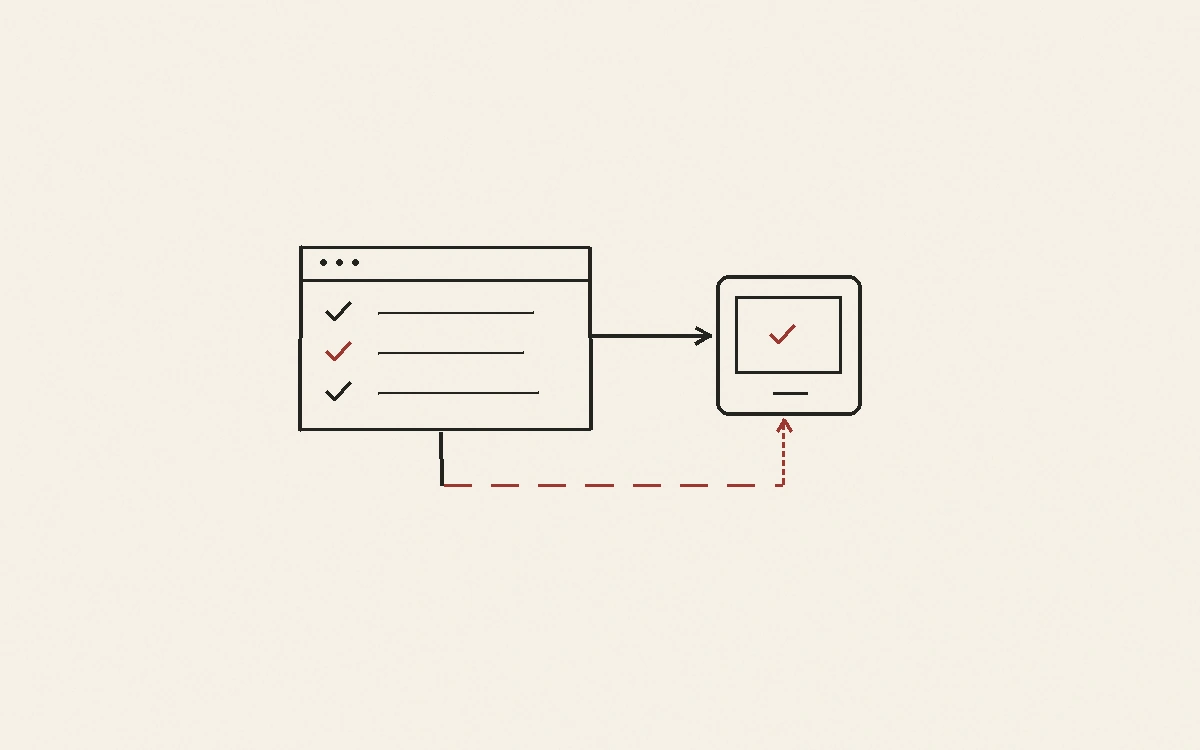
Imagine a web app summarizing support tickets on employees’ computers. The developers run twenty quick tests on a machine where the model is already installed. A colleague pressing the button for the first time may still have to wait for the model and runtime to download. A metered connection prevents that download. Hardware, disk space, browser settings and enterprise policy can also make the model unavailable. Microsoft’s documentation distinguishes unavailable, downloadable, downloading and ready states. Merely detecting the interface misses the differences users will experience.
Group the test by real device and policy configurations. Record the time between the first click and model readiness separately from the time to finish a generation after setup. A median from repeated warm runs does not represent someone who has never downloaded the model. Record cases that yield no result too, such as disabled settings, low disk space and canceled downloads. For each state, explain what happened, whether the original task can continue and whether a later retry makes sense. The support-ticket scenario is an acceptance-testing example, not a finding from a test of Edge.
Fallback determines where the content goes
Microsoft describes local and cloud inference as complementary. The website still decides how to fall back. When the local model cannot run, the ticket tool could preserve reading, search and manual summarization. A cloud alternative may make sense if organizational policy allows it and users are clearly informed and can choose it. If the screen says processing stays on the device but the site sends a ticket to a server after initialization fails, the actual data path contradicts the promise. Generating locally also does not tell you what the page itself saves, logs or includes in error reports. These are checks for the application, not claims that Edge automatically sends prompts to the cloud.
Use synthetic tickets that contain no real customer data to test working and failing paths. Identify the environment doing the work and see whether an already-downloaded model can finish a task while offline. Check that fallback options say where the content would go. For a local-only workflow, the AI feature should stop when local inference is unavailable, while keeping the original manual task usable. There is generally no need to collect ticket text for initialization telemetry. Device state, elapsed time and error category are usually enough to diagnose that stage.
Start with work people can review
Microsoft positions Aion for tasks such as summarization, rewriting and structured outputs. Start with work people can edit. Include different lengths, languages and formats in the test set. Check whether summaries preserve dates, responsible parties and negation, and count runs with no output or drafts that need to be rewritten. A valid structure makes software able to read an answer; it does not make the answer right. The same announcement describes a separate preview of the Decisions API for classification. If a site tries it, a confidence score should not itself decide whether a complaint gets reviewed. Uncertain cases can go into the existing human queue.
The trial offers a more realistic test setting than a developer’s own machine. Readiness for wider use depends on the share of usable devices, first-use waiting times, whether outputs pass review and what fallback is allowed. The feature running once is only the start. Users should still know where their content stays and how to continue their work when the model is not ready.
November 19 Microsoft Edge announcement · Aion model card and license · Edge Prompt API documentation · Windows preview and migration guide
AI Q&A
Does Edge’s built-in Aion mean any website can use the Prompt API?
No. Aion has replaced Edge’s previous built-in small model, but the website-facing Prompt API is still in an origin trial. On participating sites, availability still depends on the device, browser settings and enterprise policy.
Why measure two separate intervals on first use?
The time from the first click until the model is ready may include download and setup. The time from readiness to a result measures generation after setup. Testing only on devices with the model installed misses that first wait and any download failures.
What if local inference fails on a page that promises on-device processing?
The site can stop the AI step and leave reading, search or manual work available. If it offers a separate cloud option, it should explain where the content goes and let the user choose only if organizational policy permits it.
Information only. No investment, legal, tax, or financial advice.