Jiangsu's finance AI plan puts data permissions to the test
Jiangsu plans a trusted financial data space. Its practical test is whether another institution can reproduce a workflow and review its decisions.
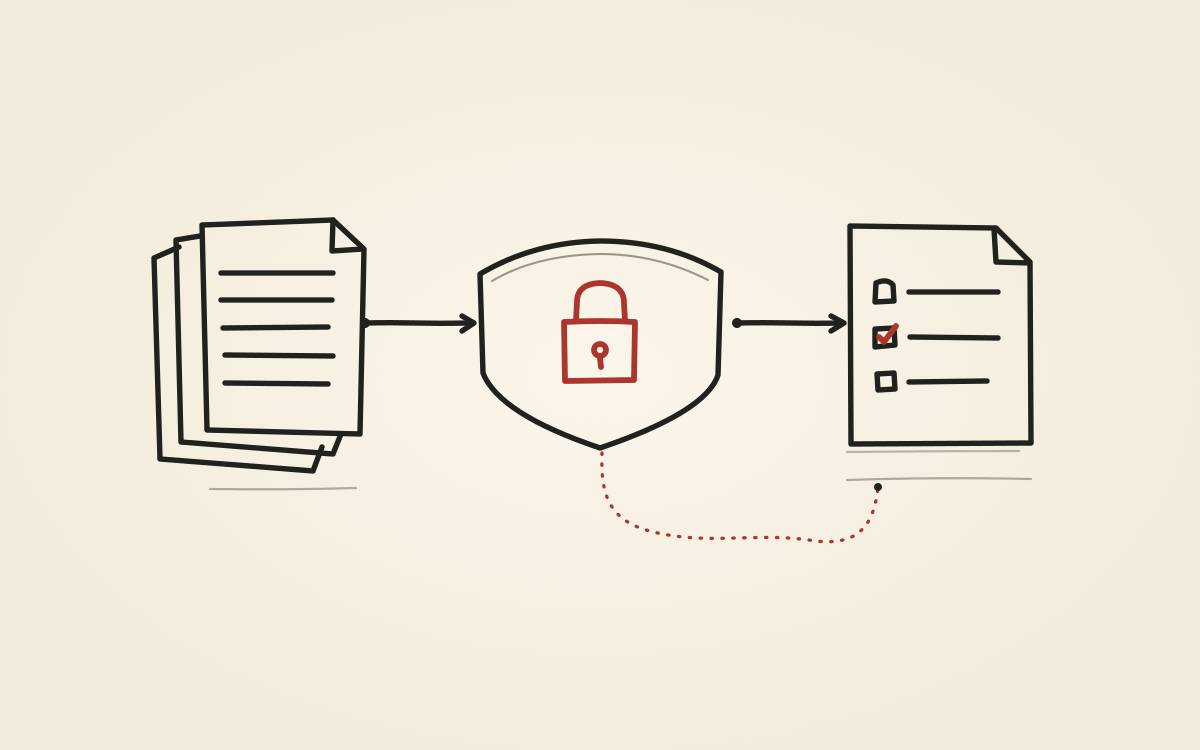
Jiangsu's provincial government held an AI and finance roadshow in Nanjing on November 20. The provincial finance office presented its 2026–28 action plan and released the first five lists of opportunities and resources. The event also released a compilation of 60 use cases. The event report published on the provincial government website the next day highlighted both cross-department data access and oversight across a model's life cycle. Considered together, those priorities point to the real test for the program: can a second institution run the same application with clear rights to use the data, comparable evidence and an accountable decision-maker?
The provincial site's report from the event describes targets of a provincial trusted financial data space, roughly 60 high-quality datasets and about 100 representative applications by 2028, under 15 measures in four areas. The 60 examples already in the compilation are separate from the future dataset target. The five lists cover applications, demand, available solutions, research support and specialist financial products. They can help a team find a counterpart. They do not decide whether a project is ready for production, and the public accounts did not set out a complete participant roster, access terms or acceptance criteria.
Reusing the data also means carrying over the conditions of use
A trusted data space can sound like a shared database. The National Data Administration's action plan treats it as infrastructure through which different parties use data under agreed rules. A useful catalogue should identify where a field comes from, what it can be used for, when it is refreshed, who can query it and how access expires. Discovering company records in a catalogue does not mean a particular bank has a basis to use them in underwriting. Nor must every raw record sit in one place: depending on the purpose, a restricted query run by the provider, returning only the agreed fields or a verification result, may serve better than copying a dataset.
Consider small-business lending. An account officer who spots a signal in a company's operating data needs to know which legal entity it belongs to, the period it covers and who supplied it before deciding what it means for a loan under review. If a model mixes up similarly named companies, or treats a six-month-old observation as current, a fluent report makes the error harder to detect. A portable workflow lets a second bank check the same boundaries using its own permissions and deal with missing, stale or unmatched records. If a customer or data provider corrects a record, someone should be responsible for deciding whether derived outputs also need to change.
On November 18, the National Data Administration posted a separate call for the second round of trusted data-space pilots. The notice, signed November 13, says applicant operators must provide evidence of authorization for the data they operate and sets out a review process. The national call is neither a selection announcement for Jiangsu nor permission for a participant to use a given record in a new way. Both initiatives do, however, point to the same operational question: who can substantiate the authorization and who takes responsibility when data moves?
A local efficiency metric is not an acceptance test for the next institution
At the roadshow, Jiangsu Rural Commercial United Bank described recognition of the Changzhou dialect and data entry for branch documents. Zijin Property and Casualty Insurance presented an assisted process for smaller bodily injury claims. According to the event coverage, the insurer said mean closure time for the process was down from 17 days to four. The figures identify the part of the workflow the insurer wanted to improve. The report did not disclose the sample size, observation period, eligibility rules or other process changes during that time. The comparison alone does not isolate the effect of a model or predict outcomes for more complex claims.
Another insurer testing the method might begin by having a model prepare document lists or flag missing and inconsistent entries, keeping human claims rules in place. It can then compare waiting time, escalation, overturned decisions and reopened files for similar cases. Rerouting simple cases alone can improve the average while a backlog of complex files grows. For a dialect service, misrecognizing a place name has different consequences from misrecognizing an amount. Transfer to another institution calls for explicit thresholds for seeking clarification or handing the request to a person, and a measure of whether the customer completes the task after the handoff.
A decision should remain reviewable after the model changes
China's National Financial Regulatory Administration's June guidelines for banking and insurance address human oversight and intervention at critical points in high-risk uses, emergency shutdown and fallback processes. That is separate context for Jiangsu's emphasis on model life-cycle management. The provincial plan does not grant a new lending power or extend the national banking and insurance guidance to every project shown. For an operating team, the concrete question is whether it can explain the role the previous version played in a case after a model or source has changed.
A reviewer handling a claims dispute, for instance, needs to know what evidence was available, which rules and model version applied, what the model recommended and why the handler accepted or changed that recommendation. This does not call for unrestricted retention of raw content. Access and retention boundaries can differ by record, while authorized reviewers should be able to locate relevant evidence. A team also needs to rehearse how open cases are handed over if a feed stops, a model misbehaves or a version is rolled back, without processing the same file twice or leaving it unattended.
Before 2028, watch for data products that institutions actually use with permissions they can withdraw, and case studies that a second institution can repeat with a comparable sample, defined exceptions and clear human sign-off. Counts convey how broad the pool of ideas is. Evidence of active connections, repeated use and outcomes with stated measurement rules would say more about whether the program cuts waiting and rework in daily operations.
Information only. No investment, legal, tax, or financial advice.