The InPost buyout is complete. Where will its lockers work for cross-border orders?
InPost is now privately held, but European locker delivery depends on eligible routes, local capacity and merchants’ exception handling.
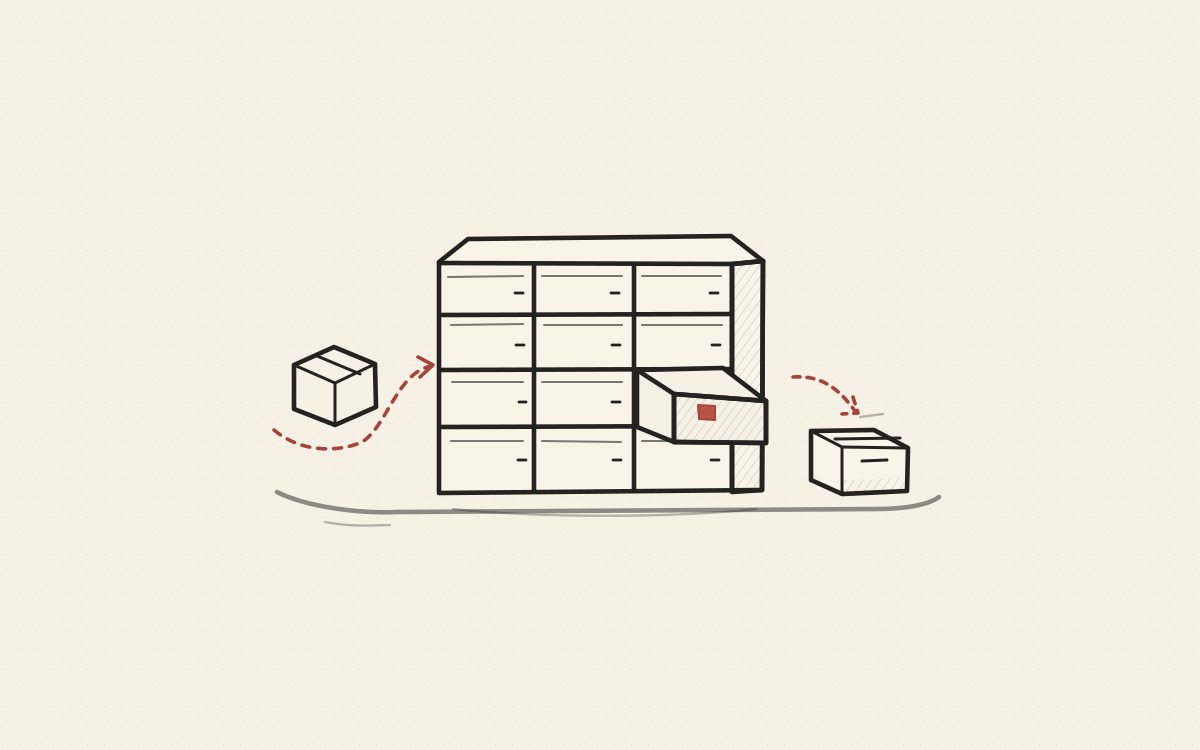
On November 20, Advent, FedEx, A&R and PPF announced that their consortium had completed its acquisition of InPost. Advent and FedEx each own 37% of the consortium, A&R 16% and PPF 10%. InPost remains a standalone operator under its own brand, based in Poland and led by founder Rafał Brzoska and the existing team. What matters for e-commerce is a separate arrangement: under commercial agreements negotiated at arm’s length, selected recipients can use InPost’s European last-mile infrastructure. The announcement gives no comprehensive route list, rate card or rollout timetable. It does not put every FedEx parcel within reach of an InPost locker.
The November milestone came after delisting
InPost’s offer archive records an initial settlement on September 30 and final offer results on October 7 that put the buyer at about 98.49%. The last trading day was October 22, before delisting on October 23. A November 17 notice announced the process for acquiring the remaining shares and set November 19 for settlement at €15.60 per share. The consortium confirmed full ownership on November 20. The roughly €7.8 billion in the offer documents was the value attributed to all the shares, not FedEx’s standalone contribution or a budget for installing lockers.
The investment is an incentive for the two operators to work together for longer. A merchant experiences it as a shipping product it can actually book. The route must be live, the order system must identify and reserve or allocate a suitable destination, and support teams must know who owns an exception. A cross-border agreement does not rewrite a merchant’s existing door-delivery contract merely because ownership has changed.
Location counts tell us little about busy-hour capacity
The closing release puts InPost’s out-of-home network above 100,000 locations, comprising more than 70,000 automated parcel machines and close to 30,000 pick-up and drop-off points. A locker depends on capacity by compartment size, collection dwell time and replenishment frequency. A staffed location has opening hours, people and floor space to consider. Two sites in the same city may behave very differently if one mostly serves residents and the other office workers. A nationwide total cannot tell a checkout which site will have a place for a box on Friday evening.
The second-quarter report puts the mix in perspective. InPost ended the quarter with 68,925 machines, up 29% year on year, while pick-up and drop-off points fell 16% to 29,281. The combined footprint rose about 12%. That shows a shift in the composition of the network; it does not establish a similar change in the typical walk to collect a parcel. A machine is not a compartment, either. Two sites with the same number of doors can handle different volumes if one clears faster and the driver can refill it before the next wave of orders. Measuring only postal-code coverage misses full-locker diversions and parcels returned after a collection window expires.
Price the service against completed deliveries
A courier can hand over many parcels at one stop and avoid some repeat visits. The customer must still make a trip. For customers far from a site, those with limited mobility and anyone receiving a large item, defaulting to collection can lower conversion or shift part of the transport saving into support and redelivery. Hours, default rerouting rules, proof of collection and whether another delivery option remains available all affect the cost that a retailer ultimately bears.
Take an illustrative example, not a carrier quotation. If collection costs €3.40 on the first leg but eight orders out of every 100 need a €5 diversion, diversions alone add €0.40 per order on average. A lower rate on the contract may not cover cancellations, support cases and refunds. A retailer can compare matched orders in the same delivery area by recording the location selected at checkout, the actual point used after any diversion, expired collections, first-attempt success and total spend through completed delivery. Cost per completed parcel should also allocate the cost of failed orders in the same cohort, rather than dropping them from the numerator. Splitting the results by district, parcel dimensions and peak weeks will expose operational differences that a network-wide average hides. Returns need a separate test of local interfaces and the evidence of handover; outbound coverage is not proof that the reverse leg works.
Scale needs a route-by-route readout
InPost carried about 381 million parcels in the second quarter of 2026, 16% more than a year earlier, while the group’s adjusted EBITDA margin fell from 28.3% to 25.0%. Adjusted EBITDA climbed nearly 40% in the company’s Eurozone segment and fell about 40% in its UK and Ireland segment. This is evidence of different operating results across markets before the acquisition closed, not evidence of what the FedEx relationship has earned. Results from mature Polish routes cannot stand in for validation of each new corridor.
The next useful disclosures would show eligible origins, destinations and parcel restrictions. Merchants can then test whether location selection, tracking and exception returns appear in a single order record, and whether delivery time, exception rates and total cost hold up after volume rises. The closing release establishes who owns InPost and that a defined commercial link exists. It does not yet establish broad InPost collection at cross-border checkout across Europe.
Sources
Information only. No investment, legal, tax, or financial advice.