Gemini 4 can read part of a file. The review needs to say which part
Gemini 4 can narrow a review to pages and cells. Reviewers still need to record what was read and which exceptions or formula inputs remain unchecked.
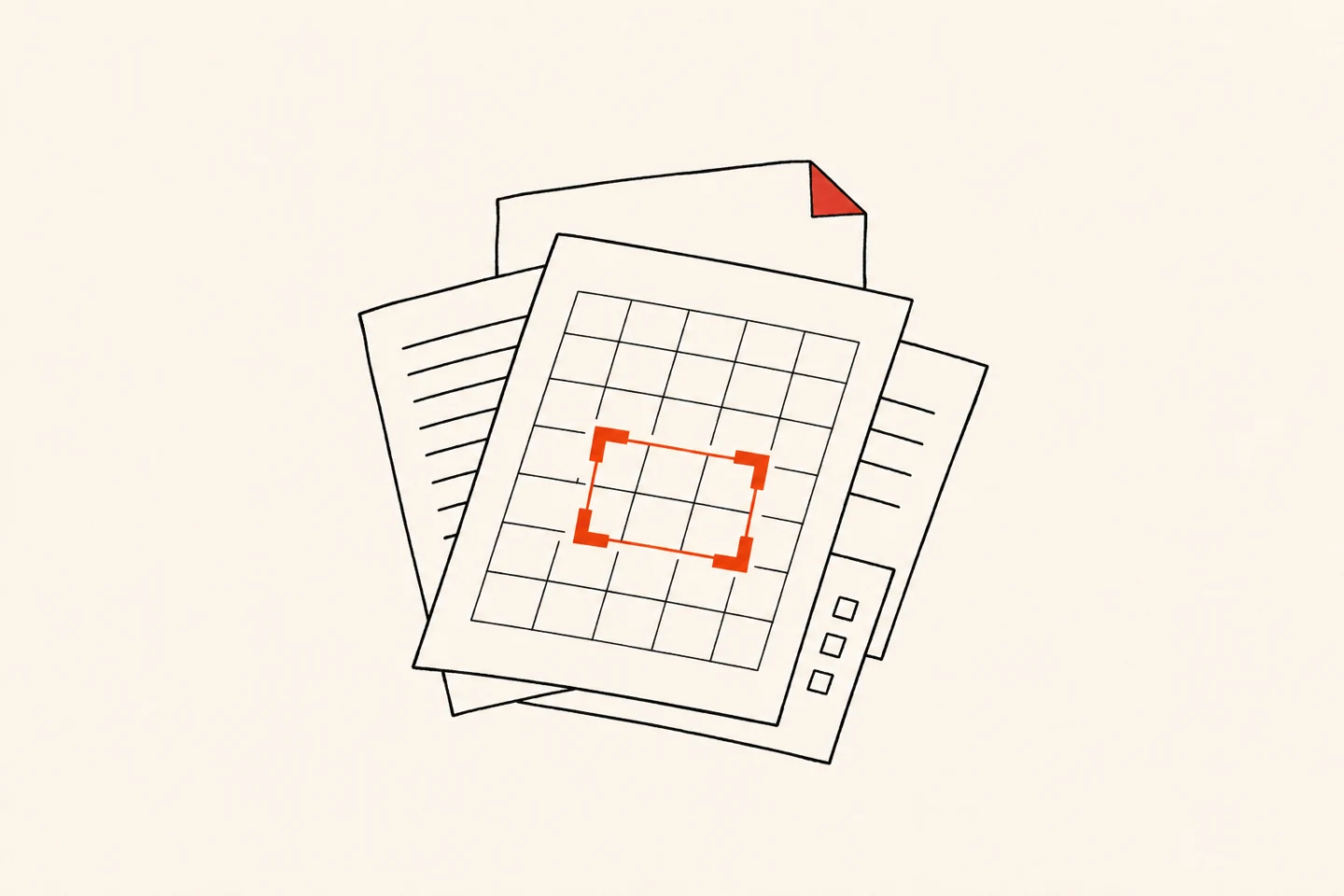
On November 23 Google announced server-side file slicing across Gemini 4 models, alongside native upload support for Microsoft Office and OpenDocument files. A team reviewing contracts, policy annexes or financial workbooks can use one upload to locate material, then inspect selected areas. That changes the workflow, but not the standard of evidence. A finding should be traceable to a particular version, page or cell range, and it should say what supporting material was not examined.
Uploading the file is not the same as reading the whole file
Google AI Studio’s documentation describes inclusive, one-based page ranges for documents and slides, with extracted text or page images as selectable layers. Google shows a workflow that locates a section in text and then reuses the file URI to inspect the relevant page at higher resolution. A legend, column alignment or annotation on a scanned page can change the interpretation. Record the layer as well as the page so another reviewer can tell whether the conclusion was based on layout or just text.
For spreadsheets, the worksheet position is one-based, and visible_cells uses A1 notation and crops all selected layers. Evaluated values, raw formulas and the rendered view used to inspect layout or charts serve different purposes. If a total depends on exchange rates or adjustments on another tab, seeing the formula and its output does not establish that those inputs were checked. Record both sheet name and position, then follow the referenced cells. A tab moved to a different position can break a review based only on the index.
Make the reading scope part of the evidence record
Suppose a team reviews refund terms in a distribution agreement. Locate the main clause first, inspect neighboring pages, then follow its references to definitions, market annexes or exceptions. Keep the internal document identifier and version, requested range, supporting page and a passage the reviewer can find independently. If the regional annex is missing, write “Main agreement, pages 8–9 reviewed; regional annex not checked.” That supports a narrower conclusion than “the agreement contains no exception.”
For a workbook, keep the column labels, units, formula cell and dependency ranges. Open the original to check whether adjacent columns mean current and prior periods, or amounts and percentages. Page or cell references supplied by the model are leads until they are checked against the file. A reusable URI is convenient for requests; keep the version history and review log separately so similarly named pages in two versions are not treated as the same evidence.
Test how the system handles evidence it did not see
Start with a small, manually labeled set: a contract with an exception on the next page, a scanned PDF with a footnote, two decks with similar titles but different dates, a workbook with cross-tab formulas, and a file with a missing annex. Mark the expected answer, evidence location, references that must be followed and which questions cannot be answered from the initial slice. Compare full-file and sliced runs with those manual labels, not with the model’s full-file answer.
Measure evidence retrieval, location accuracy and whether the system identifies missing material and requests a wider scope. Track tokens, request counts and latency including follow-up reads. Google says file input billing reflects the portions inspected, while existing upload size and page limits still apply. Total cost depends on how often review expands beyond the first slice. Keep a human check for conclusions about payment obligations, permissions or liability.
Sources
AI Q&A
Can a reviewer conclude there are no exceptions if none appear in the selected pages?
Only after the relevant body, annexes and cross-references have been checked against the original. For a partial read, state the pages inspected and list missing attachments instead of treating a local absence as a document-wide finding.
Why open another tab when the slice already shows the formula?
A formula that references cells outside the slice shows the calculation, not whether those inputs are correct. Follow the references in the original and verify the numbers, units and dates before accepting the total.
What should the log keep when extracted text and the page image disagree?
Record both locations and the discrepancy. Check the original layout and have a reviewer inspect ambiguous scans or chart annotations, then note which evidence supports the final finding.
Information only. No investment, legal, tax, or financial advice.