CrowdStrike’s $1 billion Zscaler revenue target depends on what customers add
CrowdStrike plans to sell both companies’ products on one Falcon Flex contract after closing. The revenue and cost targets run on different clocks.
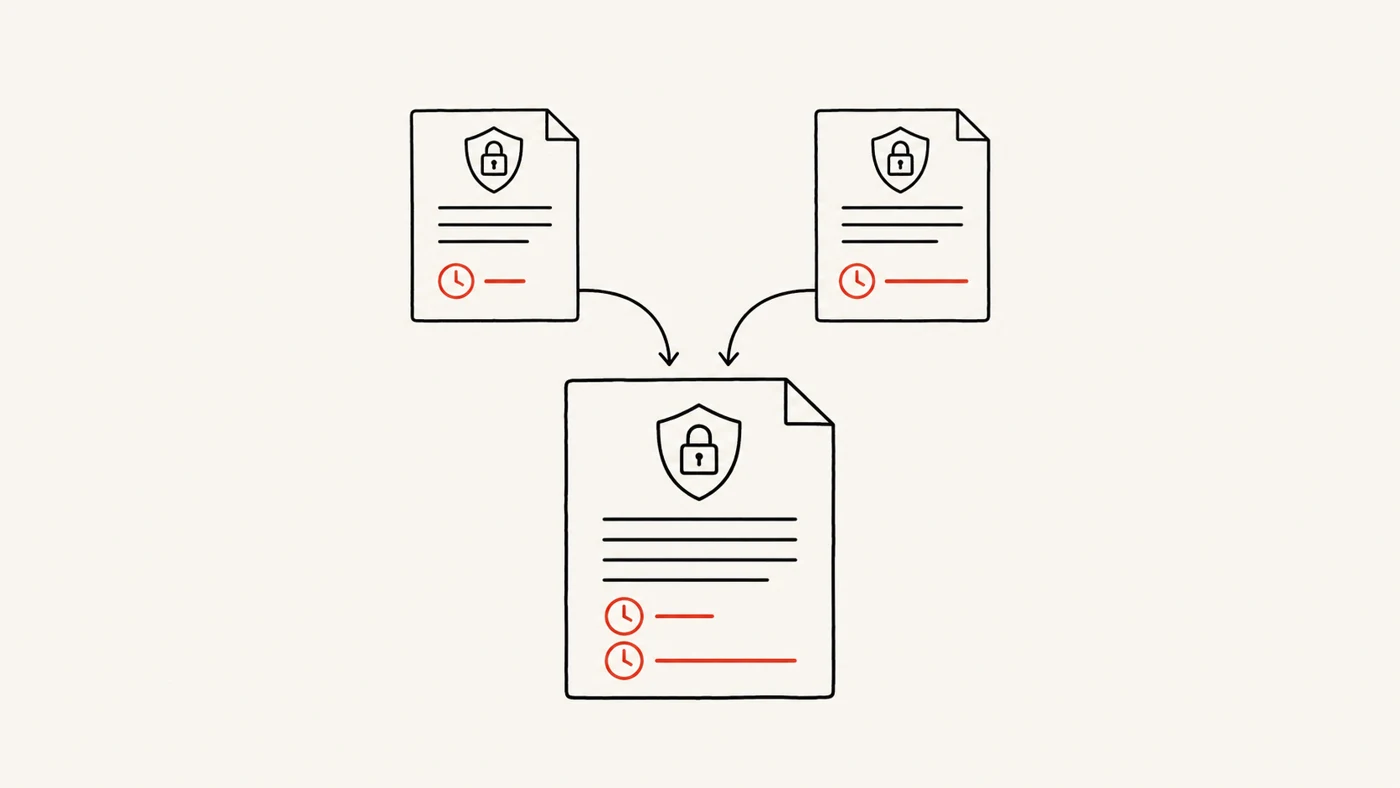
CrowdStrike and Zscaler already share more than 2,000 customers and have built 16 product integrations. The proposed acquisition announced on November 23 would change how those customers buy. After closing, the companies plan to let customers add one another’s products through a single Falcon Flex contract. Product compatibility is already there in some cases. The commercial question is whether simpler purchasing brings in spending that neither company could otherwise have won.
One contract can simplify procurement, not create demand
Falcon Flex is CrowdStrike’s existing subscription model: a customer commits and can then expand usage as needed. Under the proposed arrangement, a Zscaler customer could add Falcon and a Falcon customer could add Zscaler through a single contract. The companies did not announce an automatic conversion of existing contracts or disclose package prices. Migration, renewal and how commitments can be used will depend on the terms eventually offered.
Management identifies around 8,000 Zscaler customers not yet using Falcon. That is a potential cross-sell group, not a sales count or a conversion forecast. The test is different for shared customers. A company that combines its existing endpoint and network-security purchases without changing scope or spend has simplified procurement without necessarily generating extra revenue. Adoption of new modules or a wider deployment could add spending. Partners that already sell both products offer a route to customers, but renewal dates, prices and the customers’ needs still matter.
Revenue and cost targets have separate clocks
CrowdStrike expects revenue synergies to build through the first 30 months after closing, reaching an annualized rate of about $1 billion by the end of that period. It expects an annualized $500 million in cost savings within 18 to 24 months after closing. Neither clock starts at announcement. A run rate translates the projected pace at that point into an annual figure. It is neither the cumulative amount collected or saved by then nor an amount recognized today.
The first target relies primarily on cross-selling and expansion. The second relies on data center, vendor and operational efficiencies. Adding the two does not produce $1.5 billion of profit. Extra sales have delivery costs, and integration may carry transition expenses. Lasting savings depend on migrations, supply contracts and maintaining service. Management separately expects immediate accretion to free cash flow per share at closing before synergies. That is another forecast, not proof that the cost or sales targets have been met.
What to look for after closing
The companies expect to close in the second half of CrowdStrike’s fiscal 2028, subject to Zscaler shareholder approval, required regulatory approvals and other conditions. They will operate independently until closing. Management projects over $10 billion in combined annual recurring revenue (ARR) at closing. That is the projected scale of the combined businesses, not evidence of $1 billion in incremental sales. Management also reported over $2.79 billion of ARR as of October 31 from accounts that adopted Flex. That measures those accounts, not revenue generated solely by Flex.
After closing, new cross-sold accounts, what shared customers add, and renewal prices or discounts would be more informative than the number of products on one contract. The company may not disclose all of those details. On the cost side, separating recurring savings from one-time integration expenses would help show whether spending has fallen durably rather than simply moved between periods.
Sources
Transaction presentation · Joint SEC release · SEC call transcript · Zscaler Form 8-K
AI Q&A
Are all 2,000-plus shared customers new sales opportunities?
They already buy from both vendors. Incremental revenue depends on added purchases or broader deployments; combining existing purchases does not automatically add revenue.
Can the $1 billion and $500 million be added together?
Not as profit. The former is a targeted annualized revenue rate by month 30 after closing; the latter is a targeted annualized cost saving within 18 to 24 months.
Can customers add Zscaler to Falcon Flex now?
The announcement describes a plan for after closing. The companies remain independent until then, and the treatment of existing contracts, product details and prices have not been announced.
Information only. No investment, legal, tax, or financial advice.