A faster pending signal cannot settle a payment: the test for BNB Chain’s new L1
The proposed SubBlocks can show earlier progress. The real test is whether apps correctly distinguish ordering, execution and settlement.
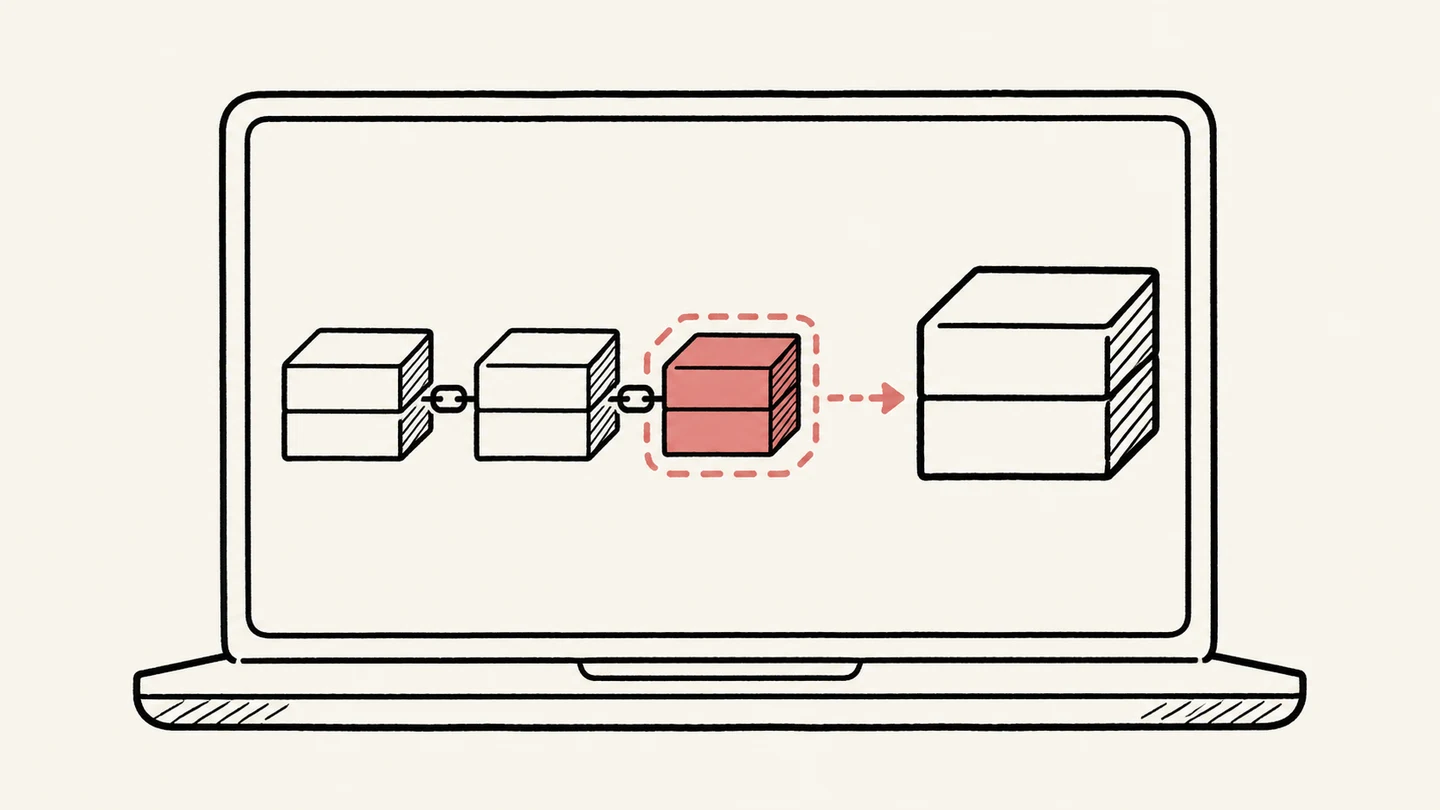
BNB Chain’s November 26 design announcement gives applications a possible way to show progress sooner. A SubBlock signals the intended placement of transactions before a full block is sealed. The signal can be withdrawn; it is not a successful execution and is not final. The proposed network would sit alongside BNB Smart Chain and use BNB, but the announcement said a public testnet was still being worked toward. The useful question is not how fast an interface can display a green tick. It is what the application is promising when that tick appears.
An interface can be quick without making the ledger premature
Imagine a checkout that reserves inventory briefly when it sees a provisional signal. It can tell the buyer the payment is pending while waiting for a successful finalized result before recording payment and dispatching the item. If the signal disappears, it can release the inventory or reconcile the attempt without having to correct an already reported sale. By contrast, if a second attempt is created whenever the first signal disappears, the app may eventually see two successes. An application-level order reference and reconciliation can separate the question of whether an attempt succeeded from whether the order has already been fulfilled.
Trading screens face a different decision. Seeing a likely position in a block might inform what a user expects, but it cannot establish the resulting balance. An intervening state change can affect execution. Separating ordering from execution can shorten the time to first feedback while leaving the time to definitive status unchanged. Other networks already distinguish status levels: Solana’s documentation is one example, not a claim that its milestones and SubBlocks are equivalent or that their speed can be compared directly.
What a public test should report
An average latency would miss important operational details. The useful timings are submission to the first provisional signal and submission to successful finalized execution, measured separately. The share of provisional indications later withdrawn, time to recover from a disconnect and behavior at the tail of peak-load latency matter to applications that retain a reservation while waiting. Proposed capacity reservations for eligible traffic may reduce competition from unrelated use, but queues can still form among eligible transactions. Results should separate congestion inside a lane from congestion elsewhere and use a common definition of the measurement endpoints. Until those observations are available, the design is a case for testing earlier feedback, not proof of faster or more dependable settlement.
Sources
AI Q&A
Can a SubBlock be enough to dispatch goods?
It is only provisional. In the checkout example, it is useful for a reversible reservation while shipping depends on a successful finalized result.
Does reserved capacity eliminate queues?
No. Eligible transactions can still compete for the same reserved capacity.
What should a testnet measure besides typical latency?
The tail of the latency distribution, withdrawn signals and reconciliation after disconnects help explain what users will experience under load.
Information only. No investment, legal, tax, or financial advice.