The Amazon recall case turns on what happens after a listing goes offline
A federal ruling leaves a product-specific CPSC order in place, exposing the work involved in reaching buyers after a sale.
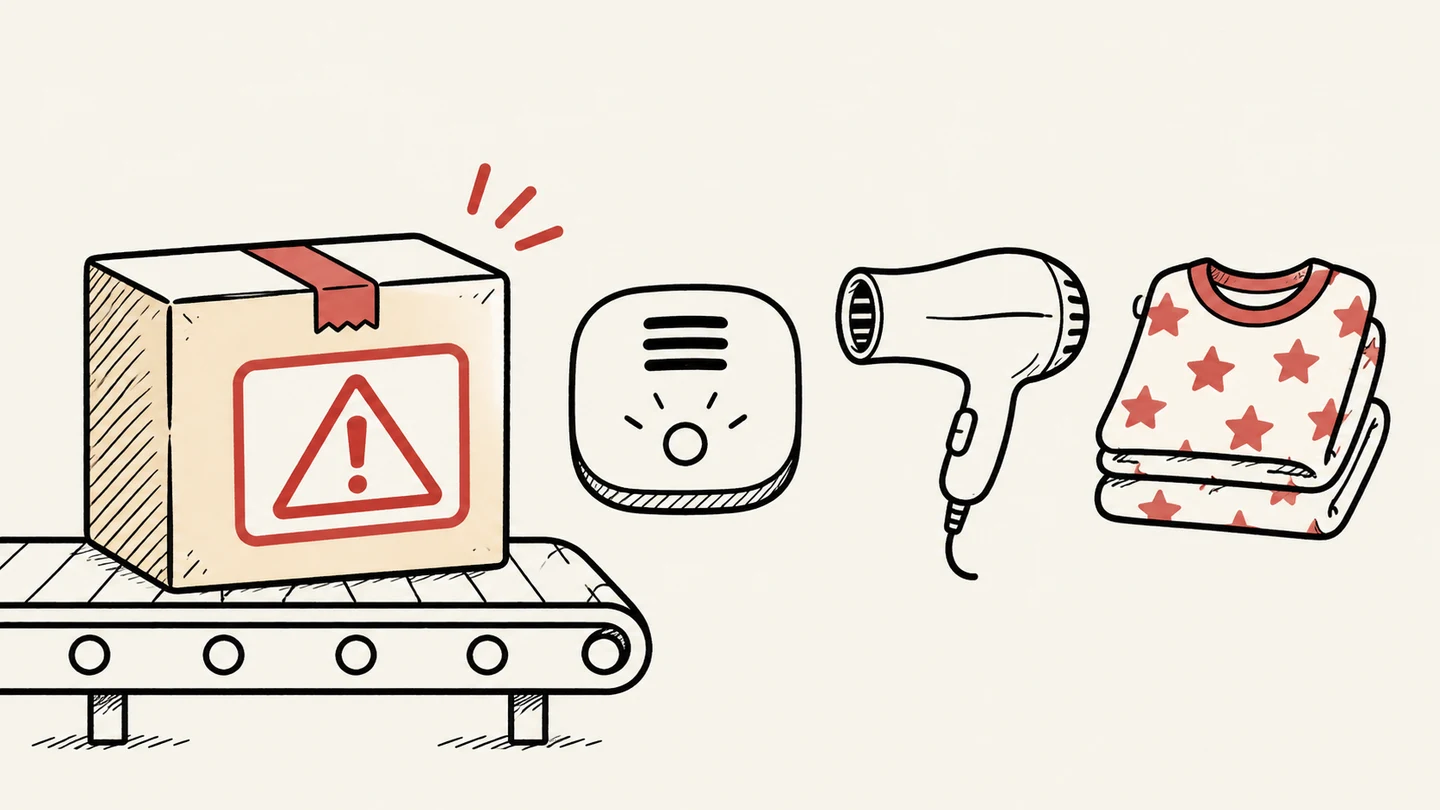
On November 24, the U.S. District Court for the District of Maryland granted summary judgment in favor of the Consumer Product Safety Commission and dismissed Amazon’s challenge to the agency’s order. The order concerns more than 400,000 units distributed through Fulfilled by Amazon (FBA), including certain carbon monoxide detectors, hair dryers and children’s sleepwear. The number describes products covered by the proceeding, not the count of customers already reached or the count of distinct listings.
Distribution and remediation are different questions
The July 2024 agency determination classified Amazon as the distributor of the products at issue even though third-party merchants listed them for sale. The January 2025 order then set out the remedy. The federal ruling leaves that order standing; it did not create a new general rule for every online marketplace. CPSC reported the result on November 25, and Amazon told The Verge that it was reviewing its options. A ruling in the agency’s favor is not evidence that the operational work is complete.
The order makes clear why removing a listing only addresses prospective sales. An item can still be in a buyer’s home or can have changed hands. Under the order, the platform must post the notices publicly and contact original buyers by email and through their order pages. It must also notify affected FBA sellers. A qualifying consumer who supplies evidence of destruction or disposal is entitled to a full refund of the purchase price. Recordkeeping and monthly progress reporting run for five years under the order. Each step leaves a different kind of evidence: a listing status, a notice delivery record and a documented disposition should not be counted as equivalent outcomes.
What a recall reveals about a fulfillment service
Consider a hypothetical seller that changes a product page without changing the internal item reference. A recall may apply to just one model or subset of units. Finding the affected orders calls for a link between the underlying product identifiers, order records and any relevant inventory records, rather than a search by the current product title alone. A separate buyer-contact record can then show which channel was used, and a remedy record can show what the buyer actually received. The order does not prescribe this example’s data model; it highlights the practical problem the model would need to solve.
FBA’s relevance is that a marketplace can hold operational records and exercise practical control at multiple points in fulfillment. A service that provides listings only may have different facts, and this disposition does not resolve the classification of every business model. What is measurable now is whether the prescribed notices and remedies reach the affected people, rather than whether a product page is still visible.
Sources
- CPSC release on the judgment
- CPSC summary of the final order
- The Verge: case coverage and Amazon response
AI Q&A
Does the decision cover every item on Amazon?
No. This case concerns specified products distributed through FBA; other arrangements and products may involve different facts.
What qualifies for a full refund under the order?
The order provides for a full refund of the purchase price to a consumer who supplies proof that a covered item was destroyed or disposed of.
Does a delisted product count as a completed recall?
No. Delisting addresses future availability, while notification and documented remediation concern units already sold.
Information only. No investment, legal, tax, or financial advice.